
Understanding Hoarding Tendencies: Why We All Have Them
Hoarding, as defined by Merriam-Webster, is “the practice of collecting or accumulating something.” While collecting items isn’t inherently negative—after all, we all accumulate things to function in daily life—it becomes problematic when it turns into a compulsive behavior. When individuals feel compelled to continuously accumulate items and experience significant distress at the thought of discarding them, issues can arise, including unsanitary living conditions.
Hoarding is often categorized into five levels of severity, with early intervention proving critical to prevent the problem from escalating. Monitoring these levels can help identify and address potential issues before they become unmanageable.

The consequences of hoarding can be significant, both financially and emotionally. Individuals with hoarding behaviors may compulsively purchase multiples of the same item, often never using or sharing them. These unused items result in wasted money and resources. Additionally, the state of the home often leads to embarrassment, causing individuals to avoid inviting others into their space and fostering a sense of isolation.
Cleaning out a hoarded home can be an overwhelming task, and outside help is typically necessary to make meaningful progress. As professionals, we can help evaluate which items hold true or sentimental value and decide what can be donated or discarded. Depending on the severity of the hoarding and the duration of the behavior, the cleanup process may involve not only removing clutter but also removing flooring, furniture, and mattresses to restore the home to a livable and healthy state.
Once a home is cleared, ongoing support is essential to help the individual maintain a healthier lifestyle. Family, friends, and mental health professionals can provide encouragement and resources to ensure long-term success and prevent a relapse into hoarding behaviors.
If you in need of assistance within in your residence, T.A.C.T. Ft Worth is here to help you. Give us a call at (817) 357-7778.
T.A.C.T. Ft Worth is ready to assist in Arlington, Benbrook, Dallas, Decatur, Denton, Fort Worth, Grapevine, Haslet, Irving, Keller, Lake Worth, North Richlands Hills, Plano, Richardson, Saginaw, Springtown, White Settlement and surrounding areas.
Latest news

Read how T.A.C.T. 48 / AZ / Ft Worth's relentless hard work and innovative strategies have led them to be highlighted in a prestigious Esquire Magazine article.
Read More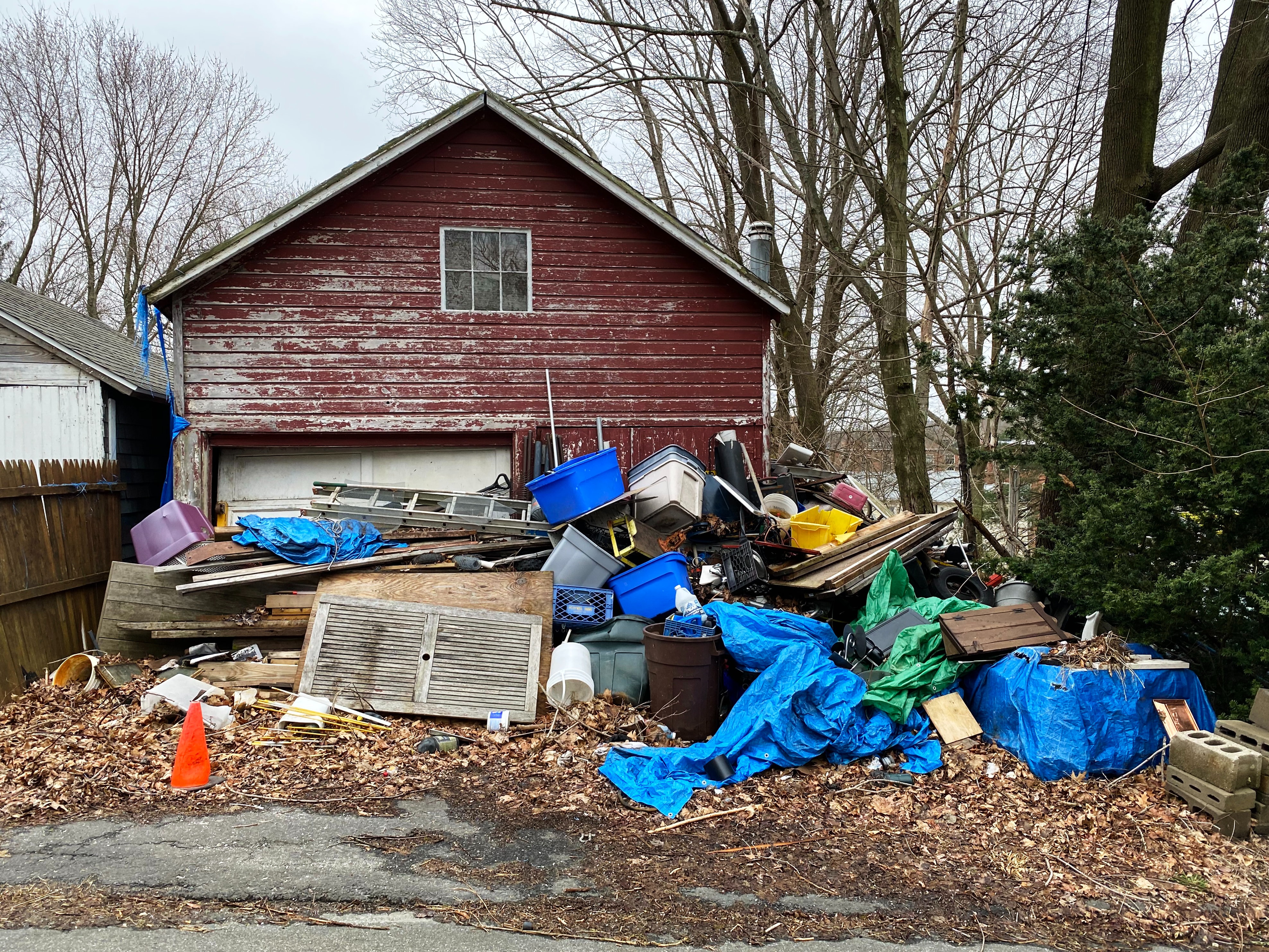
Learn the ins and outs of biohazard remediation to quickly restore rental properties after damage.
Read More
Following Esquire's recent look inside the world of trauma remediation, T.A.C.T. 48 founder David Lesaffre says the homes his teams enter reveal a deeper problem: what can happen when isolation, loss and disconnection accumulate behind closed doors.
Read More