
Comprehensive Guide to Biohazard Remediation for Landlords
Comprehensive Guide to Biohazard Remediation for Landlords

Managing rental properties involves numerous challenges, especially when dealing with biohazard situations. Whether it’s a result of an unfortunate incident or an extended vacancy, landlords and investors need efficient, documented cleanup processes to make properties safe and rentable again.
Biohazard remediation involves the professional cleanup of hazardous substances like blood, bodily fluids, or other contamination. The service is crucial following incidents such as natural deaths, unattended deaths, or severe infestations. Professionals ensure these areas are thoroughly cleaned and sanitized.
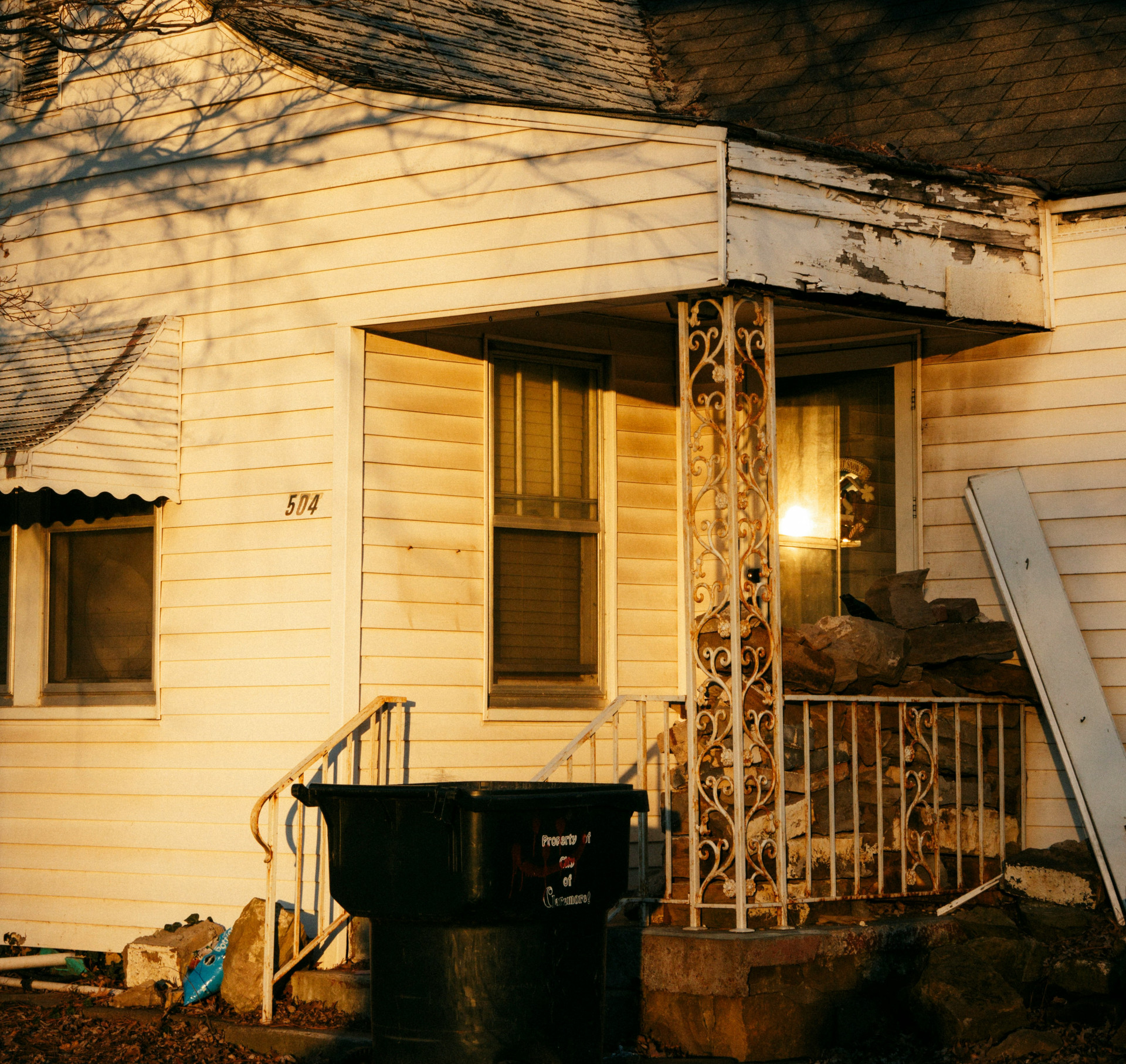
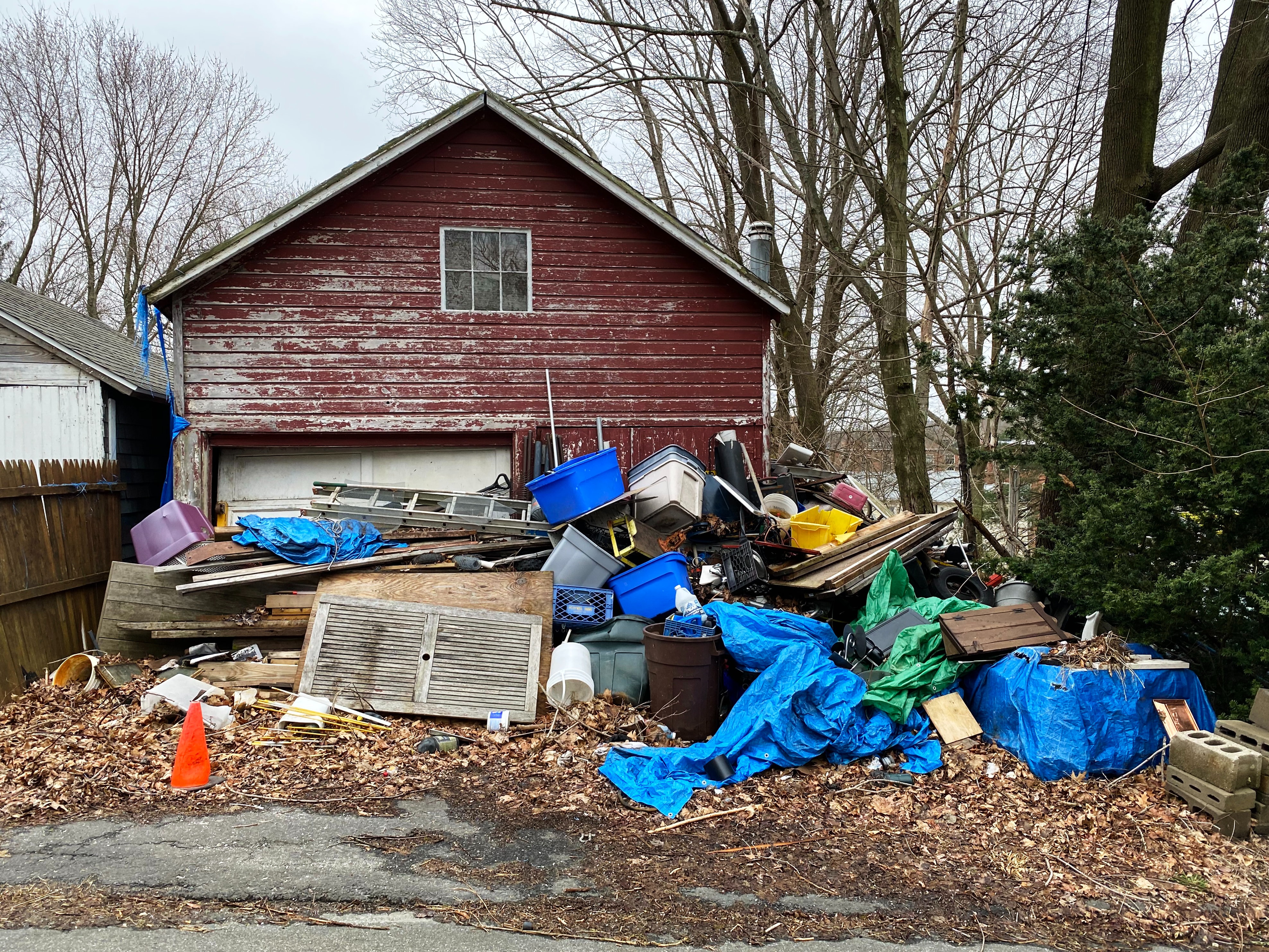
Common triggers for requiring biohazard remediation include tenant deaths, prolonged vacancy leading to infestations or mold growth, and sewage backups. Swift action is essential to address these conditions before they worsen or spread.

The remediation process typically starts with an initial assessment to understand the scope of the contamination. This step ensures that hidden dangers are identified, minimizing unexpected delays and enabling clear communication about timelines and costs.
Sanitization involves deep cleaning and odor removal, which can include the disposal of contaminated materials. Experts use specialized equipment and products to ensure that areas are not only cleaned but also safe to re-inhabit.

Documentation is crucial for landlords. Comprehensive estimates and completion reports help in filing insurance claims or addressing any legal queries. These documents verify that the property meets safety standards post-remediation, and can help with any future litigation.
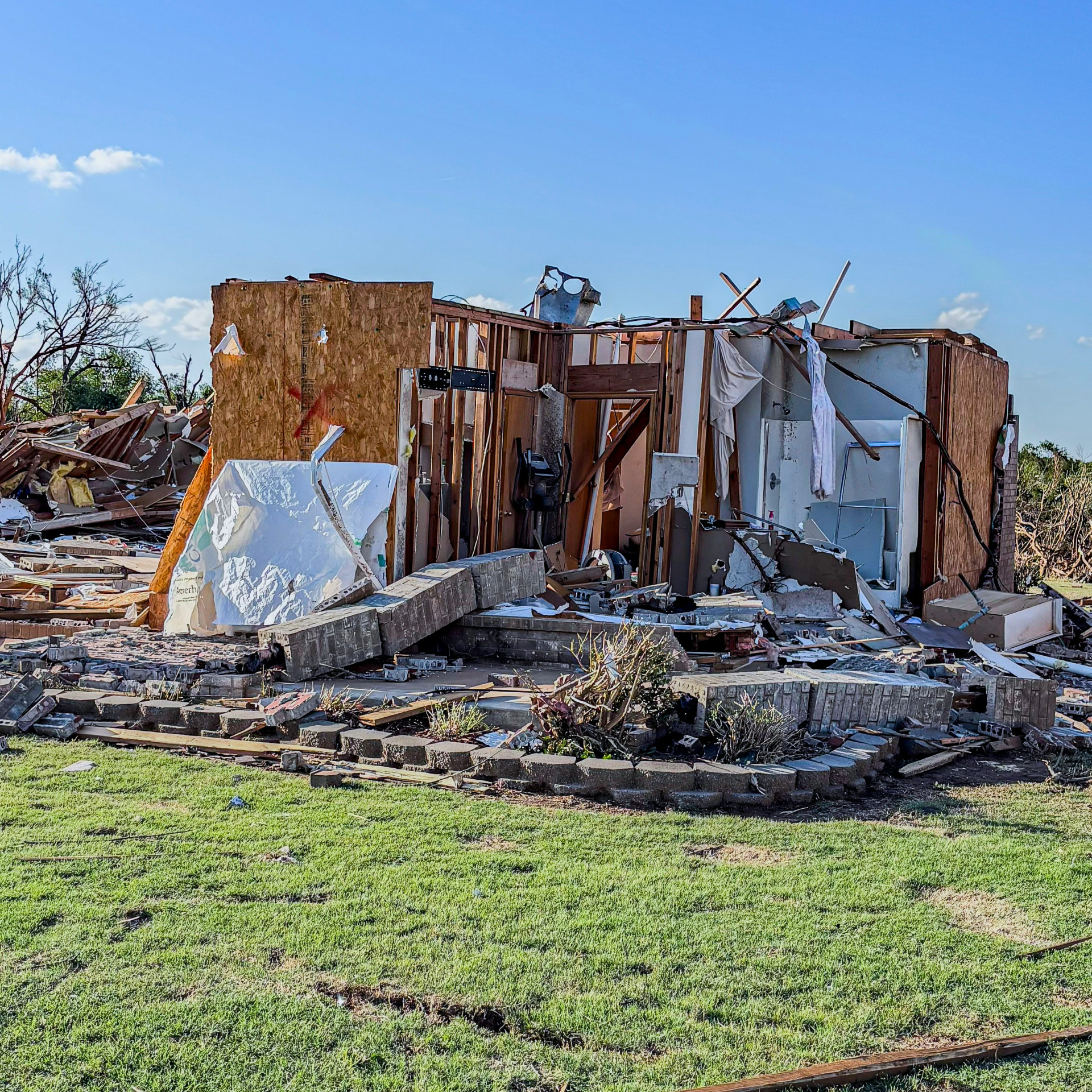
Coordinating with pest control and contractors is often necessary for a thorough cleanup. Remediation teams work closely with these professionals to ensure all aspects of property recovery are handled efficiently.
For landlords, T.A.C.T Fort Worth can fast-track scheduling to minimize downtime between renter move-outs and move-ins. This service ensures that urgent situations are prioritized, so the property is ready for occupancy swiftly.
Understanding the cost drivers such as the extent of damage, hoarding cleanup, required equipment, and materials can help landlords budget effectively. Transparent pricing structures lessen uncertainty and aid in financial planning.

Implementing preventive measures can reduce the likelihood of a biohazard situation. Regular inspections and maintenance can help spot potential issues before they necessitate a full remediation.
Biohazard cleanup for landlords is about prompt and thorough action. Knowledge of timelines, documentation, and detailed procedure not only ensures safety but also mitigates prolonged vacancies and potential loss of income. For tailored assistance, consider consulting with industry professionals such as T.A.C.T Fort Worth.
Latest news

Read how T.A.C.T. 48 / AZ / Ft Worth's relentless hard work and innovative strategies have led them to be highlighted in a prestigious Esquire Magazine article.
Read More
Learn the ins and outs of biohazard remediation to quickly restore rental properties after damage.
Read More
Following Esquire's recent look inside the world of trauma remediation, T.A.C.T. 48 founder David Lesaffre says the homes his teams enter reveal a deeper problem: what can happen when isolation, loss and disconnection accumulate behind closed doors.
Read More